
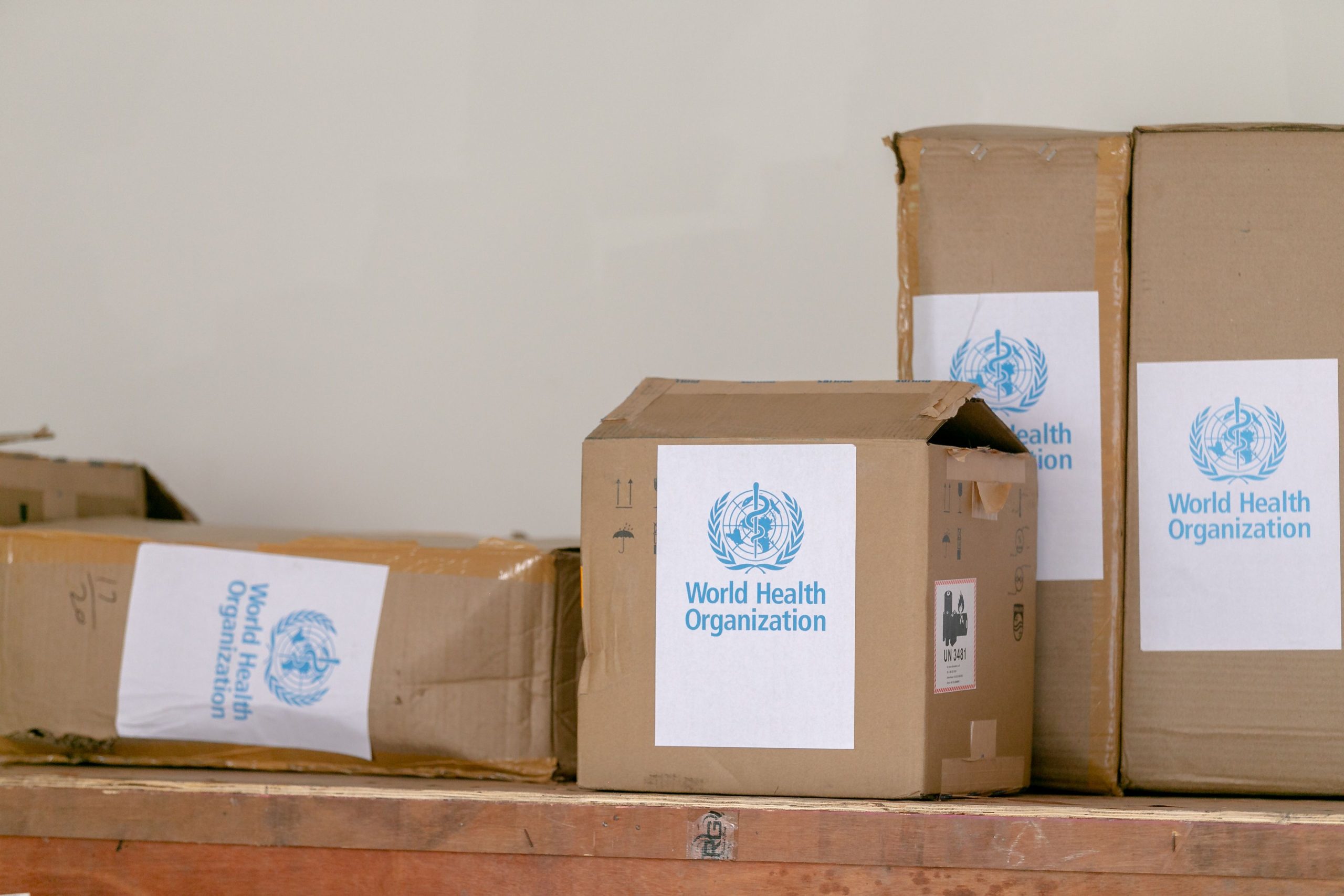
Picture spending a few months inside the World Health Organization, the United Nations agency that guides global health work across its 194 Member States. You sit with technical teams, help with real public health projects, and leave with experience most employers cannot match. The WHO Internship Programme makes that possible for students and recent graduates. Best of all, it has no single yearly deadline. Vacancies post on a rolling basis, so you can apply the moment a role that fits your background goes live.
What You Will Actually Do
Internship positions cover communications, external relations, human resources, public health, medical and social fields, and administration. You can be placed at WHO headquarters in Geneva, at one of six regional offices, or at a country office. The work is real. Interns draft documents, support research, and sit in on team meetings where health decisions take shape. You also build a network of global health professionals that can support your career for years. If you want to keep sharpening relevant skills alongside the internship search, free options like the Open University UK’s free OpenLearn courses are worth a look.
Who Can Apply
- You must be at least 20 years old on the day you apply.
- You must be enrolled in a university programme, or you must have graduated within the last 18 months.
- If you are a bachelor’s student, you must have completed at least three years of full-time study before the internship starts.
- You need a valid passport from a WHO Member State.
- You must be fluent in at least one working language of the office, such as English, French, Spanish, Arabic, Russian, or Chinese.
- You must not have taken part in the programme before.
- You must not be related to a WHO staff member, such as a parent, sibling, or child.
Still building toward your degree or weighing your options? It is worth comparing paths like this alongside a broader plan, including how to find affordable universities abroad while you gain this kind of experience.
Living Allowance and Benefits
WHO does not pay a salary. It pays a living allowance to eligible interns who need financial support, and every intern receives medical and accident insurance during the placement. For certain Geneva roles, the allowance can reach CHF 1,680 per month for interns living outside Geneva, which works out to roughly US$2,100 to US$2,200.
The allowance depends on your duty station, where you live, and a financial needs assessment. WHO asks you to disclose any other funding you receive, so the final amount may be lower than the maximum. Plan your budget without it, then treat it as a welcome boost.
| Benefit | What You Need to Know |
|---|---|
| Living allowance | Up to CHF 1,680 a month for certain Geneva roles, based on need |
| Medical and accident insurance | Covers the full internship period at no cost to you |
| Coverage before and after | Your own responsibility, including travel to and from the duty station |
| Duration | Usually 6 weeks to 6 months, depending on the role |
| Work schedule | Full-time |
| Certificate | Available on request after you complete the internship |
| Application fee | Free |
| Post-internship rule | No non-staff WHO appointment for 3 months after you finish |
Looking for a similarly prestigious international internship? You may also want to check this complete guide to CERN internships and graduate programmes 2026/2027.
Deadlines for 2026 and 2027
Because vacancies post continuously, every listing carries its own closing date. Recent Manila listings closed on 26 August 2026 for Communicable Diseases, 2 September 2026 for Research, Ethics and Innovation, and 8 September 2026 for Healthy Ageing. Those windows have passed, but new ones keep opening.
Some regional offices run fixed application windows. The Western Pacific Regional Office, for example, opens its vacancy notice in four months each year:
| Application window | Possible start from |
|---|---|
| November | 1 December |
| February | 1 March |
| May | 1 June |
| August | 1 September |
The closest windows for 2026 and 2027 are November 2026 and February 2027. Always confirm the exact closing date on the vacancy notice itself.
Where You Could Be Placed
WHO headquarters sits in Geneva, Switzerland, where many policy, communications, and administrative roles live. Regional offices offer different settings. Brazzaville serves Africa, Washington, D.C. serves the Americas through PAHO, New Delhi serves South-East Asia, Cairo serves the Eastern Mediterranean, Copenhagen serves Europe, and Manila serves the Western Pacific. Recent postings have also included Germany, Türkiye, Mauritius, and Egypt.
Your duty station shapes your cost of living and your allowance. Compare locations before you pick a vacancy, especially if you plan to relocate on a tight budget. If a Nordic posting is on your radar, it is also worth understanding routes like the Sweden Opportunity Card for longer-term relocation after your internship ends.
Thinking about where an international placement could eventually lead? You may also want to check this breakdown of visa sponsorship vs work visa: what is actually different.
How to Apply, Step by Step
- Go to the WHO Careers site and search for open internship vacancies.
- Create a complete profile in Stellis, the WHO recruitment system, covering your education, languages, experience, and skills.
- Read the full notice, including duties, duty station, duration, language requirements, and the allowance details.
- Write a cover letter for each role that explains why that specific position suits you. If you need pointers, this guide on how to write a cover letter for jobs abroad walks through the structure.
- Submit before the closing date. You cannot apply through any route outside Stellis.
- Wait for a reply. If you hear nothing within four to eight weeks after closing, you were not shortlisted this time.
- If shortlisted, expect a written assessment and an interview with the technical unit. It helps to prepare the way you would for a scholarship interview, since the format of questions is often similar.
- If selected, submit the WHO medical certificate of fitness before you start. Hold off on sending other documents until WHO asks for them.
Have an interview coming up with an international organization? You may also want to check this guide on how to prepare for a UK job interview from abroad.
Is the Programme Open Right Now?
Here is the honest part. WHO has, at times, put the programme on hold across all its offices, and some official and third-party pages still carry that notice. Other listings and recent postings show active vacancies. Before you plan a move or a budget around it, check the official WHO Careers site for the current status.
Mistakes That Cost Applicants a Spot
- Sending a generic cover letter that could fit any agency.
- Missing a deadline because you waited for a “cycle” announcement that never comes.
- Assuming the allowance is guaranteed when it depends on your financial needs assessment.
- Sending documents early, when WHO asks interns to wait.
- Forgetting that you can complete only one WHO internship in your lifetime.
Thinking about where this internship could lead after your current degree? You may also want to check the Australia Skilled Migration Visa 2027 guide, a complete route to working abroad long-term.
Life After the Internship
When your placement ends, you can request an internship certificate. Former interns may apply for WHO jobs as external candidates, but finishing an internship does not guarantee a job offer. Make the most of your time by documenting your results, building relationships with your supervisor and colleagues, and asking for a reference before you leave. If you are still weighing further study instead, a reference from here could also strengthen an application like the Gates Cambridge Scholarship 2027/28, and knowing what to do after receiving a university admission offer can help you line up the two.
Official Links
🔗 WHO Internship Programme: Read the official programme page
🔗 Apply for a Position: Start your application
🔗 WHO Vacancy Search (Stellis): Search open internship vacancies
Frequently Asked Questions
Is the WHO internship paid?
Interns do not receive a salary. WHO calls its payment a living allowance, and only eligible interns who need financial support receive it. Every intern gets medical and accident insurance. Treat the allowance as a possible bonus, since the amount depends on your duty station and financial situation.
How much does a WHO intern get?
For certain Geneva internships, the living allowance can reach CHF 1,680 per month for interns living outside Geneva. That works out to roughly US$2,100 to US$2,200. Other duty stations pay different amounts, so read each vacancy carefully. It depends on a financial needs assessment.
How long does an internship last?
Most internships run between six weeks and six months, though the exact length depends on the role and the technical unit. Vacancies are full-time. Some WHO listings mention shorter or longer periods, so check the duration on each notice before you apply.
Can I apply from outside Geneva or outside my country?
Yes. WHO accepts applicants from across the world, as long as you hold a passport from a WHO Member State. You must apply through the Stellis system on the WHO Careers site. Applications sent by email or other routes do not count. The application itself costs nothing.
Can I apply more than once?
Yes, you can apply for any open vacancy and reapply if you are not selected. However, you can complete the internship only once in your lifetime, and former interns cannot apply again. Use each application to tailor your cover letter for that specific role.
When should I apply?
Apply as soon as a role fits your background, since WHO posts vacancies year-round with different closing dates. Some regional offices open windows in November, February, May, and August. Check the WHO Careers site every couple of weeks, and confirm the deadline on the listing before you plan anything.