
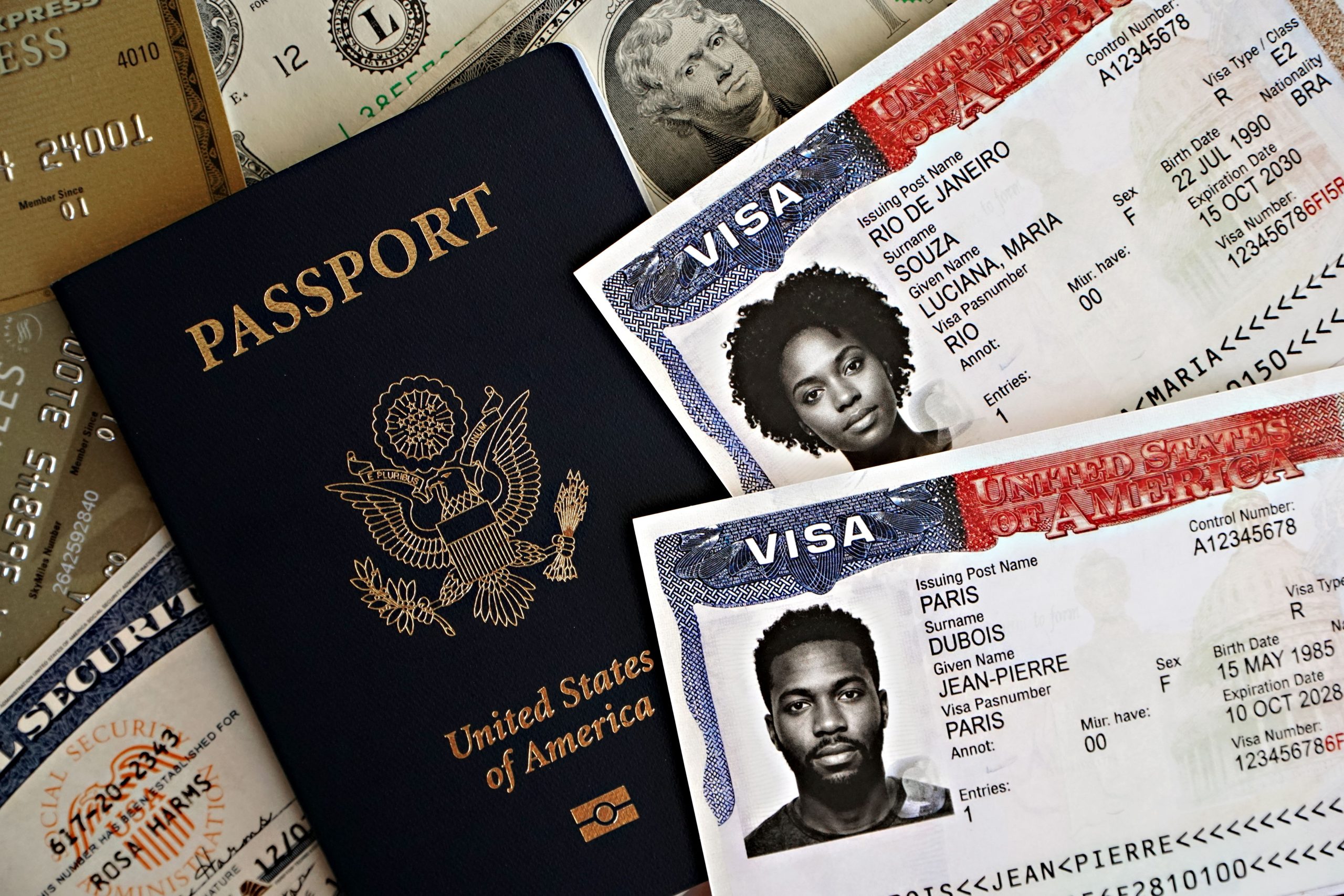
Finding a company willing to sponsor your work visa can feel like searching for a needle in a haystack. You scroll through hundreds of job postings, apply to dozens of roles, and still end up with the same frustrating line buried in the fine print — “must be authorized to work in this country without sponsorship.” It is discouraging, and it makes a lot of talented people give up before they even get started.
Here is the good news. Thousands of companies sponsor foreign workers every single year, and many of them are not the household names everyone assumes you need to know. Once you understand where to look and how sponsorship actually works, finding these employers becomes a lot less mysterious. This article will walk you through exactly how to identify companies that sponsor work visas, which industries hire the most international talent, and the tools that will save you weeks of guesswork.
What Visa Sponsorship Actually Means
Before diving into where to find sponsoring companies, it helps to understand what sponsorship really involves. A company that sponsors a work visa is not just writing you a letter of support. It is agreeing to take on a legal and financial responsibility on your behalf.
In the United States, for example, sponsoring an H-1B visa means the employer files a petition with United States Citizenship and Immigration Services, pays associated government fees, and commits to specific wage and labor condition requirements. In the United Kingdom, a company needs a valid sponsor license from the Home Office before it can even consider hiring someone from abroad. Canada and Australia have their own versions of this process, each with separate government bodies, application fees, and compliance obligations.
Because sponsorship costs money and creates legal exposure, not every company is willing or able to do it. That is exactly why your search needs to be targeted rather than random.
https://www.uscis.gov/working-in-the-united-states/h-1b-specialty-occupations
Lays out the real pre-departure costs tied to a sponsored move — visa fees, shipping, deposits, and the emergency fund most candidates underestimate.
Why Some Companies Sponsor And Others Do Not
Understanding the reasoning behind a company’s decision to sponsor will help you focus your energy in the right direction. A few factors tend to separate the sponsors from the non-sponsors.
- Company size and resources. Larger companies with established legal and HR departments are far more comfortable navigating sponsorship paperwork than a five-person startup still figuring out payroll.
- Industry demand for skills. Technology, healthcare, engineering, and finance consistently face talent shortages, which pushes employers in these fields toward international hiring.
- Past sponsorship history. A company that has sponsored visas before already has the internal processes and legal relationships in place, which makes doing it again much easier.
- Growth stage and funding. Well-funded companies expanding into new markets are often more willing to absorb the cost of sponsorship to secure specialized talent quickly.
- Government and industry pressure. Some sectors, like nursing and software engineering, face such severe domestic shortages that sponsorship becomes a practical necessity rather than a nice-to-have.
Once you recognize these patterns, you can start narrowing your job search toward employers who actually fit the profile of a sponsor, instead of applying blindly everywhere.
Industries That Sponsor The Most Foreign Workers
Certain industries sponsor far more frequently than others, and knowing this upfront will save you an enormous amount of time. According to data published by United States Citizenship and Immigration Services, technology and professional services firms consistently account for the largest share of H-1B petitions filed each year.
Here is a breakdown of the industries where sponsorship is most common and why.
| Industry | Why Sponsorship Is Common | Example Roles |
|---|---|---|
| Information Technology | Persistent shortage of software engineers and data specialists | Software developer, data scientist, cloud architect |
| Healthcare | Nursing and physician shortages in many regions | Registered nurse, physical therapist, lab technician |
| Engineering | Niche technical skill gaps in manufacturing and energy | Mechanical engineer, electrical engineer, civil engineer |
| Finance and Consulting | Need for specialized analytical and advisory skills | Financial analyst, management consultant, actuary |
| Academia and Research | International collaboration and specialized research needs | Postdoctoral researcher, professor, lab scientist |
If your background falls into one of these fields, you are already working with an advantage. The demand exists, and companies within these industries have usually already built the internal systems needed to sponsor someone efficiently.
How To Find Companies That Sponsor Foreign Workers
Now for the part everyone actually wants to know — the practical steps you can take today to identify real sponsoring companies.
Use Government Databases Directly
Government agencies publish the actual data on which companies filed sponsorship petitions, and this information is public. In the United States, the Department of Labor’s Office of Foreign Labor Certification releases disclosure data that lists every employer who filed an H-1B petition, along with the job title, wage, and location. Websites like myvisajobs.com and h1bdata.info compile this raw data into searchable formats, so you can type in a company name, a job title, or even a city and instantly see who has sponsored in the past.
- Search by job title to find companies hiring for your exact role
- Filter by location if you have a specific country or city in mind
- Check sponsorship volume, since a company that filed hundreds of petitions is far more reliable than one that filed just one
This single step alone can turn a vague job search into a focused list of real, verifiable sponsors.
A practical look at how a single country’s government database and official job portal can surface real sponsoring employers, including shortage-occupation routes that skip the language barrier.
Search Company Career Pages For Sponsorship Language
Once you have a shortlist, visit each company’s careers page directly. Many employers now state their sponsorship policy right in the job posting. Phrases to look for include “visa sponsorship available,” “we support relocation,” or “open to candidates requiring work authorization.” If a posting says nothing either way, do not assume the worst. Reach out to a recruiter and ask directly. It is a completely normal question, and a well-prepared recruiter will have an answer ready.
A case study in a major multinational stating plainly, right on the posting, that it will not sponsor for a given role — exactly the kind of career-page language this section tells you to look for.
Leverage LinkedIn And Professional Networks
LinkedIn is more than a job board. It is a research tool. Search for people who hold your target job title and check their profiles for mentions of visa sponsorship or relocation. Join groups focused on international professionals in your field, since members often share firsthand experiences about which companies came through for them. A short, polite message to someone who was recently sponsored by a company you are interested in can get you insight that no database will ever provide.
Check Recruitment Agencies That Specialize In International Placement
Recruitment agencies that focus specifically on visa sponsorship exist in almost every major industry. Firms like Manpower, Randstad, and Hays often maintain relationships with employers who are actively looking for international talent, and working with a specialized recruiter means someone else is doing part of the legwork for you. These agencies typically know in advance which companies have sponsorship budgets allocated for the year, which puts you ahead of candidates applying cold.
Target Multinational Corporations With A Global Footprint
Large multinational companies already operate across borders, which means the infrastructure for moving talent internationally already exists within the organization. Companies like Amazon, Google, Microsoft, Deloitte, and Siemens sponsor thousands of visas collectively each year because international hiring is simply part of how they operate at scale. These companies are not always the easiest to get into, but their sponsorship processes tend to be smoother and faster because they have done it so many times before.
Shows how a large multinational financial firm runs its international hiring pipeline across eleven cities — the kind of established, repeatable infrastructure that makes sponsorship smoother at scale.
Red Flags To Watch Out For During Your Search
Not every opportunity that mentions sponsorship is legitimate, and it pays to stay cautious.
- Be wary of job offers that ask you to pay a fee before sponsorship paperwork even begins
- Avoid companies that promise sponsorship but cannot name the specific visa category they intend to file
- Question postings that seem too good to be true, especially ones offering sponsorship for roles with vague or inflated salaries
- Verify a company’s legitimacy through official business registries before sharing personal documents
A genuine employer will never ask you to cover government filing fees out of your own pocket, since that cost legally belongs to the company in most sponsorship programs. If something feels off, trust that instinct and keep looking elsewhere.
Tips To Strengthen Your Application As A Foreign Candidate
Finding the right company is only half the equation. You also need to present yourself as a candidate worth the investment of sponsorship.
- Highlight specialized skills that are genuinely in short supply in the local market
- Tailor your resume to show measurable achievements rather than generic responsibilities
- Mention your willingness to relocate and your understanding of the visa process in your cover letter
- Build a portfolio or body of work that proves your expertise beyond what a resume alone can show
- Prepare to explain, briefly and confidently, why you are worth the sponsorship cost compared to a local hire
Employers sponsor people who make the decision easy. The clearer you are about the value you bring, the less resistance you will face during the hiring process.
Frequently Asked Questions
Do companies have to prove they could not find a local candidate before sponsoring someone?
In many countries, yes. The United States, for instance, requires employers filing certain visa categories to attest that hiring a foreign worker will not negatively affect wages or working conditions for domestic employees, and some visa categories require labor market testing to show no qualified local candidate was available.
How long does the sponsorship process usually take?
It varies widely depending on the country and visa type, but it generally ranges from a few months to over a year. Premium processing options exist in some countries and can significantly shorten the wait for an additional fee.
Can small businesses sponsor foreign workers?
Yes, small businesses absolutely can sponsor, though they often face more financial strain doing so since legal and filing costs stay the same regardless of company size.
Is it true that only large tech companies sponsor visas?
No, this is a common misconception. Healthcare organizations, universities, manufacturing firms, and even mid-sized consulting companies regularly sponsor foreign talent, especially in fields with genuine skill shortages.
What happens if the company I work for stops sponsoring my visa?
This depends on your visa category and country, but you typically have a limited grace period to find a new sponsor or change your status before you are required to leave the country.
Should I mention that I need sponsorship during the interview process?
It is generally better to be upfront about your sponsorship needs early on, ideally during the initial application or first interview. This saves both you and the employer time, and it shows transparency that recruiters genuinely appreciate.
Final Thoughts
Finding a company that sponsors foreign workers takes patience, strategy, and a willingness to dig past the surface-level job boards. Once you understand which industries hire internationally, how to use public sponsorship data, and where to look for direct company commitments, the entire process becomes far more manageable. Start with the government databases, build a shortlist of employers in your field, and reach out directly whenever a posting leaves sponsorship unclear. The right opportunity is out there, and with the right approach, you will find it faster than you think.