
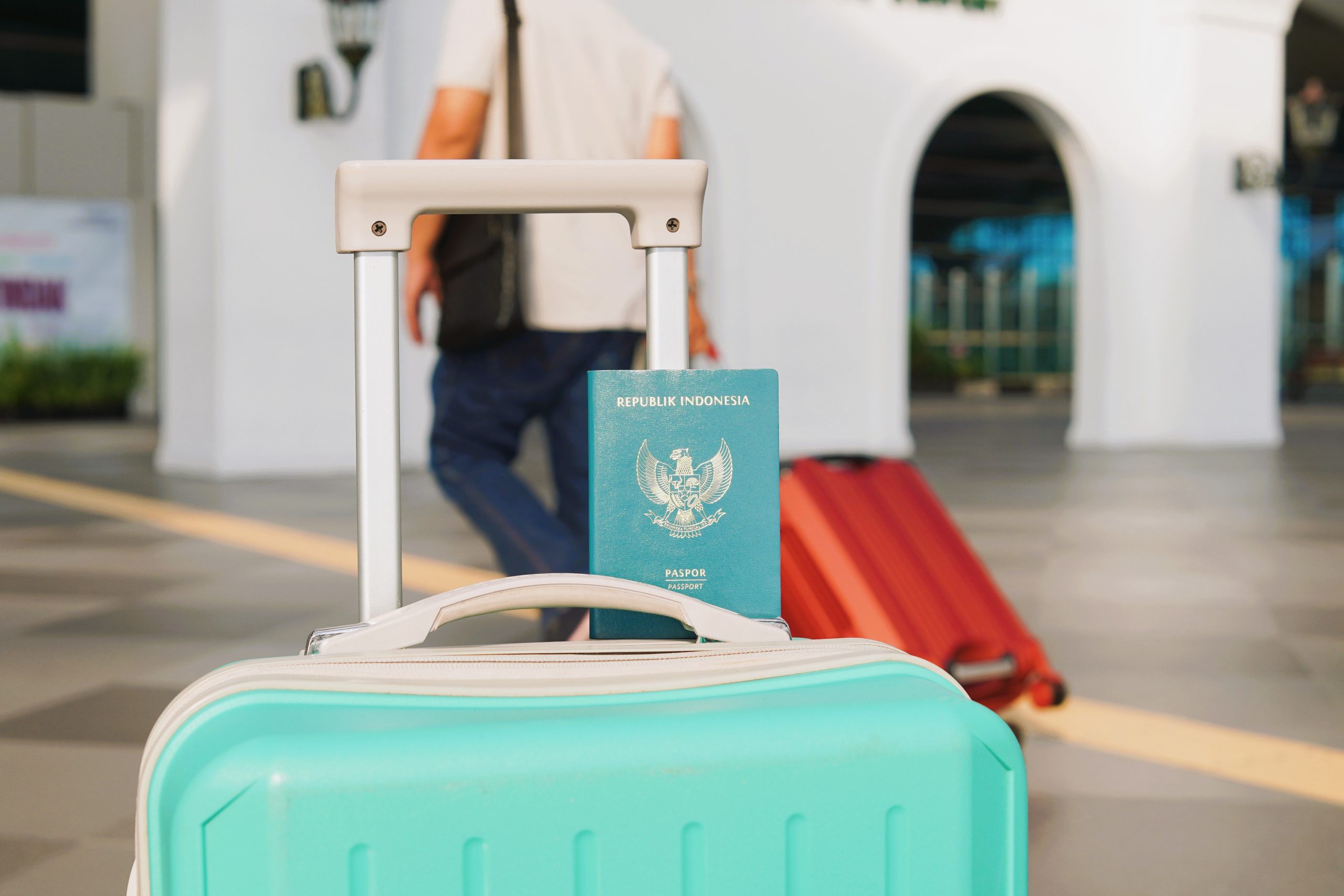
So you have got the job offer, or you are chasing one, and now the only thing standing between you and a new life in another country is money. Not the salary you will earn once you land, but the cash you need before you even board the plane. This is the part almost nobody budgets for properly, and it is the part that quietly sinks a lot of relocation plans.
- Let me walk you through the real cost of relocating abroad for work, broken into the categories that actually matter: application costs, travel, initial accommodation, deposits, and the emergency fund you should never skip.
Why Relocation Costs Catch People Off Guard
Most people price their move using one number: the plane ticket. Then reality shows up with a long list of extra charges that were never on the radar. Visa fees. Document translations. Medical exams. A deposit that equals three months of rent instead of one. An agency fee nobody warned you about.
Industry research backs this up. One comprehensive breakdown of relocation costs found that moving abroad can run anywhere from $3,000 to $25,000 or more, depending on your destination, lifestyle, and how well you plan the move. That is a massive range, and where you land on it depends entirely on how much homework you do before you book anything. [mexc]
Application And Visa Costs: The First Bill You Will Pay
Before you pack a single box, you are paying for paperwork. Visa and immigration costs vary wildly depending on your destination and the type of permit you are applying for.
According to one cost breakdown aimed at people relocating internationally, visa and immigration fees typically range from $0 to $500 on the low end, averaging $1,000 to $3,000, and climbing to $4,000 to $6,000 depending on the visa type and how fast you need it processed. Corporate relocation data tells a similar story at scale, with visa and immigration fees averaging around $8,500 per international relocation when companies handle the process. [risingsunartscentre] [gitnux]
If you are self-funding your move rather than relying on an employer-sponsored package, here is what typically shows up on the invoice:
- Visa application fee – charged by the destination country’s immigration authority, and this varies enormously by country and visa category
- Biometrics and processing fees – often a separate line item from the main application
- Document legalization or apostille fees – for things like your degree certificate, marriage certificate, or police clearance
- Certified translation costs – many countries will not accept your documents unless they are translated by an accredited translator
- Medical examination fees – some work visas require proof that you meet health requirements
- Agency or lawyer fees – optional, but common if your case is complicated or the paperwork is in a language you do not speak
One extreme example worth knowing about: certain high-skill United States work visas now carry application costs that have jumped dramatically, with one source pointing to a $100,000 fee for H-1B applications filed after September 2025, once you include legal and filing costs. That is not typical of most countries, but it shows just how much variation exists between destinations, and why you genuinely need to check the specific rules for the country you are targeting rather than assuming costs will be similar everywhere. [pssremovals]
Travel Costs: More Than Just The Ticket
Flights are the visible cost, but they rarely tell the whole story. Expect to pay for excess baggage, pet transport if you are bringing an animal, and possibly a short connecting trip if your visa interview or biometrics appointment happens in a different city from where you live.
For flights alone, pricing data shows a wide spread. One relocation guide notes that household members traveling together might spend anywhere from $1,200 to $2,000 on the low end, $2,500 to $4,000 on average, and $5,000 to $8,000 on the high end for a round trip or one-way journey involving multiple travelers. For a single traveler on a simpler route, prices can be far lower, with one-way fares sometimes starting around a couple hundred dollars on budget routes, though this depends heavily on season and destination. [risingsunartscentre]
Do not forget these often-missed travel-adjacent costs:
- Airport transfers at both ends of the journey
- Excess baggage fees, which add up fast if you are shipping belongings by air instead of sea
- Short-notice ticket premiums if your visa approval timeline is unpredictable
- Travel insurance, which some countries actually require as part of the visa application
Shipping Your Belongings: The Cost Most People Underestimate
If you are bringing more than a suitcase, you need to think seriously about how you move your possessions. Sea freight tends to be the cheaper option for furniture and bulky items, while air freight suits things you need immediately, like essential documents, electronics, or work equipment.
Corporate relocation figures put international household goods shipments at an average of around $15,000 when companies cover a full move, though that number reflects larger, employer-funded relocations rather than a single person moving light. For individuals managing their own move, costs scale down significantly depending on how much you actually ship. [gitnux]
One practical tip that saves thousands: sell or donate furniture before you leave and buy secondhand once you arrive, rather than shipping it across an ocean. Shipping a sofa internationally frequently costs more than replacing it at your destination.
Initial Accommodation: Where Your Budget Gets Tight
This is the category that trips up almost everyone. You need somewhere to stay before you can even sign a lease, because most landlords will not rent to someone without local references, a local bank account, or proof of income in the country.
That usually means a short stay in temporary housing, like a serviced apartment, extended-stay hotel, or short-term rental, while you search for something permanent. Corporate data shows temporary housing alone can consume roughly 20 percent of an entire relocation budget, which tells you how significant this cost really is even on a smaller personal scale.
Budget for at least two to four weeks of temporary accommodation, and treat it as non-negotiable. Trying to sign a long-term lease sight unseen, before you have even landed, is a common and often costly mistake.
Security Deposits: The Upfront Cash Trap
Here is where relocation plans quietly fall apart. In many countries, landlords ask for far more than one month’s rent upfront. Depending on the country and the local rental market, you might face:
- One month’s rent as a standard deposit
- Two to three months’ rent as a deposit, which is common in several European and Middle Eastern markets
- A separate agency or broker fee, sometimes equal to another full month’s rent
- The first month’s rent paid in advance, on top of the deposit
Add those together and your move-in cost for housing alone can easily hit the equivalent of four to six months of rent, paid before you have earned a single paycheck in your new country. This is the single most underestimated line item in most relocation budgets, and it deserves its own dedicated savings target, separate from everything else.
Your Emergency Fund: The Part People Skip And Regret
It is tempting to budget exactly enough to cover the move and nothing more. Do not do this. New jobs get delayed. Visa processing takes longer than promised. Your first paycheck might not arrive for four to six weeks after you start. Healthcare systems abroad sometimes require upfront payment before insurance kicks in.
A reasonable emergency fund for relocating abroad should cover:
- Three to six months of basic living expenses at your destination’s cost of living, not your home country’s
- A buffer for unexpected visa or legal costs, since paperwork problems are common and rarely cheap to fix
- Enough to cover an emergency flight home if the move falls through
Cost of living varies enormously by destination, which affects how large this fund needs to be. One dataset tracking costs across dozens of countries found that the same lifestyle costing roughly $4,500 a month in San Francisco might cost only around $700 a month in a lower-cost country, which shows just how much your destination choice changes the size of the safety net you actually need. [getwherenext]
Putting It All Together: A Sample Cost Breakdown
Here is a realistic snapshot of what a self-funded relocation might look like for a single working professional moving to a mid-cost country. Treat these as planning ranges, not guarantees, since your actual numbers depend heavily on destination and visa type.
| Cost Category | Low Estimate | Average Estimate | High Estimate |
|---|---|---|---|
| Visa and immigration fees | $500 | $1,500 | $5,000 |
| Flights and travel | $400 | $1,200 | $3,000 |
| Shipping belongings | $500 | $2,500 | $6,000 |
| Temporary accommodation (2-4 weeks) | $600 | $1,500 | $3,500 |
| Security deposit plus agency fee | $1,000 | $2,500 | $5,000 |
| Emergency fund (3 months living costs) | $2,100 | $4,500 | $9,000 |
| Estimated Total | $5,100 | $13,700 | $31,500 |
This mirrors the broader pattern seen across relocation data, where total costs commonly land somewhere between a few thousand dollars and well over twenty thousand, depending entirely on destination, family size, and how much you choose to bring with you.
Five Ways To Bring That Number Down
- Choose a lower cost-of-living destination. This single decision affects almost every category above, from deposits to your emergency fund.
- Ship less, buy more locally. Selling furniture before you leave and replacing it after you arrive usually beats the cost of international shipping.
- Negotiate relocation support with your employer, even a partial contribution toward flights or temporary housing, since many companies have some budget for this even if it is not advertised upfront.
- Apply for standard visa processing instead of expedited, if your timeline allows it, since rush fees can add thousands to an application.
- Research deposit norms before you choose a neighborhood, since deposit requirements can differ significantly even within the same city.
Frequently Asked Questions
1. How much money should I have saved before relocating abroad for work?
As a general rule, aim for enough to cover visa and travel costs, your first month of accommodation, a full security deposit, and three to six months of living expenses as a safety net. For most mid-cost destinations, this lands somewhere between ten thousand and twenty thousand dollars, though it can be lower in cheaper countries or higher in expensive cities.
2. Does my employer usually pay for relocation costs?
It depends entirely on the company and the role. Larger companies and senior positions are far more likely to offer a relocation package, while smaller employers or entry-level roles often expect you to cover your own costs, sometimes with a partial contribution toward flights or a signing bonus.
3. Why do landlords abroad ask for such large deposits?
In many countries, landlords use large deposits to protect themselves against tenants with no local credit history or rental references. Since you have not yet built a financial footprint in that country, you are seen as higher risk, which translates into a bigger upfront ask.
4. Is it cheaper to ship my belongings or buy new ones at my destination?
For bulky items like furniture, buying new or secondhand items locally is almost always cheaper than international shipping. Reserve shipping for items that are expensive to replace, sentimental, or essential for your work, like specialized equipment.
5. How long does it typically take to get approved for a work visa?
Processing times vary enormously by country and visa type, ranging from a few weeks for simpler permits to several months for more complex applications. Always build in extra time beyond the official estimate, since delays are common and rarely explained in advance.
6. What is the biggest mistake people make when budgeting for relocation?
Underestimating the combined cost of temporary housing and the security deposit. People often budget for the move itself and forget that they will need somewhere to live before they can sign a permanent lease, which means paying for two housing situations at once during the transition.
Relocating abroad for work is genuinely one of the most rewarding decisions you can make for your career, but it goes a lot smoother when the money side is not a surprise. Build your budget around every category above, pad your emergency fund more than feels necessary, and you will land in your new country with far less financial stress hanging over your first few weeks.
Related Reading
About the Author

Damilare Abogunrin
Content Writer | FundedAbroad.com
Damilare Abogunrin writes about international career opportunities, scholarships, internships and visa-related jobs. Through his work at FundedAbroad.com, he helps readers discover opportunities abroad, understand application requirements and find official application channels.
He focuses on making opportunity listings clear, practical and easy to understand, so readers can assess eligibility and prepare stronger applications. He encourages applicants to verify job details and immigration requirements directly with employers and official sources.