
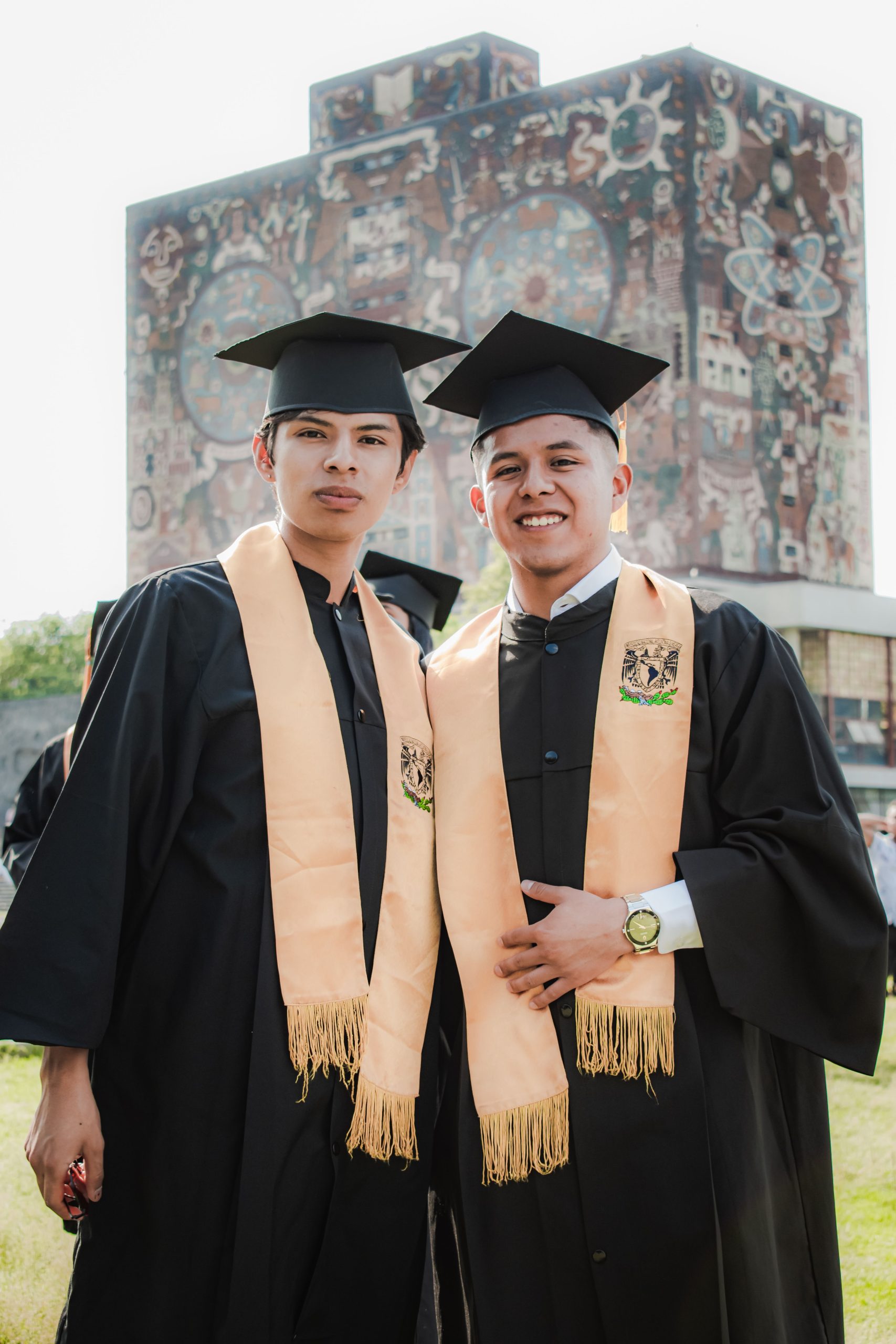
That email landing in your inbox with the word “Congratulations” at the top is a moment you will remember for a long time. You worked hard for it, and you have every right to celebrate. But do not let the celebration run too long, because what happens in the weeks right after admission often decides how smooth or stressful your first year abroad turns out to be.
This guide breaks down exactly what to do next, whether you are heading to the United Kingdom, Germany, the United States, Canada, Australia, or anywhere else in the world. It does not matter which continent you are applying from. The steps below apply to anyone holding an admission letter and wondering what comes next.
Read Your Offer Letter Properly, Twice
Before you do anything else, sit down and read every single line of your offer letter. Universities often send what is called a conditional offer, which means you still need to meet certain requirements before your place is fully confirmed. These conditions could include submitting your final transcript, proving your English proficiency score, or paying an initial deposit.
Pay close attention to:
- The exact deadline for accepting your offer, since missing it can mean losing your spot entirely
- Whether your offer is conditional or unconditional, and what conditions still need to be met
- The deposit amount required to secure your place, and how that deposit gets refunded or applied to tuition later
- Any specific instructions about document submission, since some universities use online portals while others ask for scanned emails
If anything in the letter confuses you, do not guess. Email the international admissions office directly and ask for clarification. Universities deal with this question constantly, and a quick email now saves you from a bigger headache later.
Apply For Scholarships and Funding Before the Window Closes
Here is something many admitted students miss. Getting into a university does not automatically mean you have funding sorted out, and several major scholarships operate on a completely separate timeline from university admissions. In fact, you can usually apply for these scholarships even before you have a confirmed offer, since most ask you to list your preferred universities rather than wait for formal acceptance.
The table below lists some of the biggest fully funded scholarships currently open or opening soon for the 2026/2027 and 2027/2028 cycles, along with their official application pages. Always confirm exact dates on the official website before you apply, since governments and institutions sometimes adjust deadlines.
| Scholarship | Destination | Funding Covers | Deadline | Official Application Page |
|---|---|---|---|---|
| Chevening Scholarship | United Kingdom | Full tuition, monthly stipend, flights, visa costs | 6 October 2026 for the 2027/28 intake; next cycle typically reopens each August | chevening.org/apply |
| Commonwealth Master’s Scholarship | United Kingdom | Full tuition, £1,378 monthly stipend, return airfare | 20 October 2026 for the 2027/28 intake | cscuk.fcdo.gov.uk |
| DAAD Study Scholarship | Germany | Monthly stipend of around €934 to €992, insurance, travel allowance | Late October to November 2026, varies by country of origin | daad.de |
| Erasmus Mundus Joint Master’s | Multiple European countries | Tuition, €1,000 to €1,400 monthly stipend, travel and installation costs | October 2026 to January 2027, varies by programme | eacea.ec.europa.eu |
| Fulbright Foreign Student Program | United States | Tuition, living stipend, airfare, health insurance | Varies by country, generally between February and August 2026 | foreign.fulbrightonline.org |
Since each scholarship has its own nomination process and some require your home country’s Fulbright Commission or ministry of education to be involved, start your research the same week you receive your offer letter. Waiting even a month can cost you a cycle, and some of these programs only run once a year.
Start Your Student Visa Application Immediately
Your visa is the one piece of this process that genuinely cannot be rushed, so start as early as the rules allow. Most countries will not let you apply until you hold either an unconditional offer or a formal Confirmation of Acceptance for Studies, so get that paperwork settled first.
Different countries have different visa systems, but you will almost always need:
- A valid passport with enough remaining validity, usually at least six months beyond your program end date
- Proof of financial means, showing you or your sponsor can cover tuition and living costs
- Your university’s confirmation document, such as the CAS letter used in the United Kingdom or the I-20 form used in the United States
- Health and character certificates, depending on the destination country’s requirements
- A biometric appointment booking, which can take weeks to schedule in busy visa centers
Canada, Australia, and the United Kingdom all publish average processing times on their official immigration websites, and these numbers change depending on the season. Apply as soon as your documents are ready rather than waiting for a “better time,” because there is rarely one.
Secure Your Finances and Proof of Funds
Every visa office wants to see that you can actually afford to live and study in their country, not just pay tuition. This is usually called a proof of funds requirement, and it differs by destination. The United Kingdom, for example, asks students to show a set amount of money held in a bank account for a minimum number of consecutive days before applying.
Work out your full first year budget early, covering tuition, housing, food, transport, books, and a reasonable buffer for emergencies. If a family member or sponsor is funding part of your studies, get a formal sponsorship letter and supporting bank statements ready well before your visa appointment, since last minute paperwork is one of the most common reasons visa applications get delayed.
Arrange Your Housing and Pre-Departure Logistics
Do not leave housing until the last few weeks before travel. On-campus accommodation often has its own separate application and deadline, sometimes opening right after you accept your offer, so check your university’s housing portal immediately.
If campus housing is full or unavailable, look into:
- University-approved off-campus housing lists, which are usually checked for legitimacy
- Short-term accommodation, like a hostel or serviced apartment, booked for your first two weeks so you can view apartments in person before committing
- Groups and forums created specifically for incoming students at your university, where current students often share sublets or roommate opportunities
Alongside housing, book your flights once your visa is approved, not before, since visa processing delays happen and a non-refundable ticket purchased too early can become a costly mistake.
Sort Out Health Insurance and Required Vaccinations
Many countries legally require international students to carry health insurance for the full length of their studies. Australia, for instance, requires Overseas Student Health Cover as a condition of the student visa itself. Check whether your university automatically enrolls you in a health plan through tuition fees, since many do, and confirm what it actually covers before you assume you are protected.
Some destinations also require specific vaccinations or a health screening before your visa gets approved, so check your destination country’s official immigration or health ministry website rather than relying on general advice from forums.
Connect With Your New University Community Before You Arrive
Most universities run orientation programs, welcome groups, and mentorship schemes for new international students, and joining early makes your first weeks far less isolating. Look for an official incoming students group on your university’s website or social media pages, since these are usually where practical questions get answered fastest by people who have already walked the same path.
Reaching out to your academic department before arrival also helps. Ask about course registration deadlines, required textbooks, and any pre-arrival reading, so you are not scrambling to catch up once classes begin.
Frequently Asked Questions
How soon after receiving admission should I accept my offer?
Accept as soon as you are certain, ideally within the deadline window your university provides, which is usually two to six weeks. Delaying risks losing your spot, especially for popular programs with limited intake numbers each year.
Can I still apply for scholarships after receiving my university admission?
Yes, in most cases. Programs like Chevening, DAAD, and Erasmus Mundus accept applications independently of university admission timelines, and some even allow you to apply before receiving a formal offer at all.
What if my visa gets delayed past my program start date?
Contact your university’s international office immediately. Most institutions have experience handling this and can help you defer enrollment to the next intake without penalty, so do not panic or assume you have lost your place.
Do I need to pay a deposit before my visa is approved?
Usually, yes. Most universities require a tuition deposit to confirm your seat before issuing the documents you need for your visa application, so factor this cost into your early financial planning.
How much money should I show as proof of funds?
This depends entirely on your destination country’s immigration rules, and the exact figure changes periodically. Always check the official government immigration website for your destination rather than relying on older blog posts or outdated figures.
Is it necessary to arrange housing before arriving in the country?
It is strongly recommended, though not always legally required. Arriving without confirmed housing, even temporary housing, adds unnecessary stress and risk during your very first days in an unfamiliar country.
Getting admitted is the hard part everyone warns you about, but the weeks that follow are where your organization really gets tested. Handle your visa, your funding, and your housing early, and the rest of your first year abroad has a real chance to be about the experience itself, not the paperwork.
Related Reading